What Constitutes a Dental Emergency? When to Seek Immediate Care
Know the Difference: Urgent Dental Care vs. Routine Problems That Can Wait
A sudden severe toothache, a knocked-out tooth, or bleeding that won’t stop can be terrifying, especially when you’re unsure whether the problem truly requires emergency care. According to the Centers for Disease Control and Prevention, over 40 percent of American adults have experienced oral pain in the last year, yet many people struggle to distinguish between dental emergencies that demand immediate attention and problems that can be managed through routine appointments. Understanding what constitutes a genuine dental emergency can mean the difference between saving a tooth and losing it permanently, or between a minor fix and an expensive, complex procedure.
At Independence Dental, we understand that dental emergencies don’t follow a schedule. They happen on weekends, holidays, and at 2 a.m. when your regular dentist isn’t available. We’re committed to helping patients recognize when they need urgent care versus when they can safely wait for the next available appointment. Our team has extensive experience managing all types of dental emergencies, from traumatic injuries to infections, and we’re here to guide you through the situation and provide prompt, compassionate care. This guide will help you understand what qualifies as a dental emergency, how to manage it before reaching our office, and why seeking immediate treatment protects your long-term oral health.

Understanding Dental Emergencies: The ADA Definition
The American Dental Association defines dental emergencies as potentially life-threatening diagnoses requiring immediate treatment to stop bleeding, remedy infection, and alleviate severe pain. However, not all emergency situations pose life-threatening risks. Many dental emergencies simply require prompt attention to prevent permanent damage to teeth or supporting tissues. The key distinction is urgency: some problems need same-day or same-hour treatment to achieve the best outcome, while others can be managed during regular business hours.
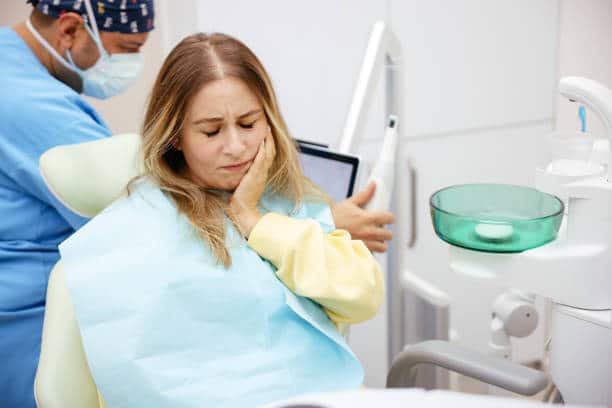
Pain is often the body’s first signal that something is wrong. If you’re experiencing severe pain that doesn’t respond to over-the-counter pain relievers, or if you notice swelling, bleeding, or signs of infection, it’s time to contact Independence Dental immediately, even if it’s during off-hours.
True Dental Emergencies That Require Immediate Action
Knocked-Out Teeth (Avulsion)
A completely dislodged tooth is one of the most time-sensitive dental emergencies. Your dentist has the best chance of saving a knocked-out tooth when it’s returned to its socket within 30 minutes to one hour of being out of the mouth. Handle the tooth carefully by the crown (the visible white part) and never touch the root. Rinse it gently with water (never scrub it), and if possible, try to reinsert it into the socket. If reinsertion isn’t possible, place the tooth in milk or a cell-growth medium product like Save-a-Tooth and get to Independence Dental immediately.
Severe Toothaches with Swelling or Fever
A severe, throbbing toothache that doesn’t improve with over-the-counter pain medication could indicate an abscess or serious infection. When accompanied by facial swelling, fever, or visible swelling and knots on your gums, this requires emergency dental care. Infections in the mouth can spread quickly to surrounding tissues and, in rare cases, become life-threatening. Do not attempt to pop a gum abscess like a pimple; see your dentist immediately for safe drainage and treatment.
Uncontrolled Bleeding
If bleeding from your mouth or gums won’t stop after 10-15 minutes of applying pressure with gauze, this constitutes a dental emergency. Uncontrolled bleeding could indicate a bleeding disorder, oral infection, or significant trauma requiring immediate professional evaluation.
Serious Tooth or Jaw Trauma
Any injury to your mouth from sports, accidents, or falls that results in broken teeth, loose teeth, or suspected jaw fractures needs immediate attention. Loose adult teeth, in particular, are never normal and indicate potential damage to tooth roots or surrounding bone structure.
Non-Urgent Dental Problems That Can Wait
Not everything that feels like an emergency requires emergency treatment. These situations can safely be managed during regular business hours:
A lost or broken filling, while inconvenient, doesn’t usually require same-day treatment. Similarly, a chipped or cracked tooth that doesn’t hurt and isn’t sharp can typically be addressed at your next appointment. Loose orthodontic wires or brackets can often be managed with dental wax until you reach your orthodontist. A lost crown (if the underlying tooth isn’t painful or sensitive) can usually wait until the next business day.
Understanding this distinction helps you avoid unnecessary emergency room visits while ensuring you seek immediate care when truly needed.
First Aid While Waiting for Care
For toothaches, rinse with warm salt water and use over-the-counter pain relievers (never place aspirin on your gums). For mouth injuries causing bleeding, apply pressure with clean gauze. For swelling, use a cold compress on the outside of your cheek.
Your Next Step: Call Independence Dental
Experiencing a potential dental emergency? Don’t wait and wonder if it’s serious. Call Independence Dental immediately during business hours or use our emergency line after hours. Our team will assess your symptoms and guide you on the next steps, whether that’s scheduling an emergency appointment, visiting an urgent care center, or heading to the emergency room. When it comes to dental emergencies, prompt action truly does save teeth, prevent complications, and protect your smile for life.