Can Teenagers Get Invisalign, and Is It the Right Choice?
Yes, many teenagers can get Invisalign clear aligners if their teeth and bite can be treated effectively with aligners and they are responsible enough to wear them consistently. Teens typically need to wear their aligners for about 20 to 22 hours per day. A dental evaluation can determine whether Invisalign or another orthodontic treatment is the better choice for an individual teen.
For parents, choosing orthodontic treatment involves more than deciding how their teen’s smile will look during treatment. Comfort, oral hygiene, daily responsibilities, bite problems, and long-term results all matter. At Independence Dental, we believe families should understand their options before making decisions about their teen’s dental care. With professional evaluation and a personalized treatment plan, clear aligner therapy can provide an effective, discreet option for many teenagers while fitting into school, sports, social activities, and other parts of a busy lifestyle.
Invisalign for Teens: What Parents Should Consider
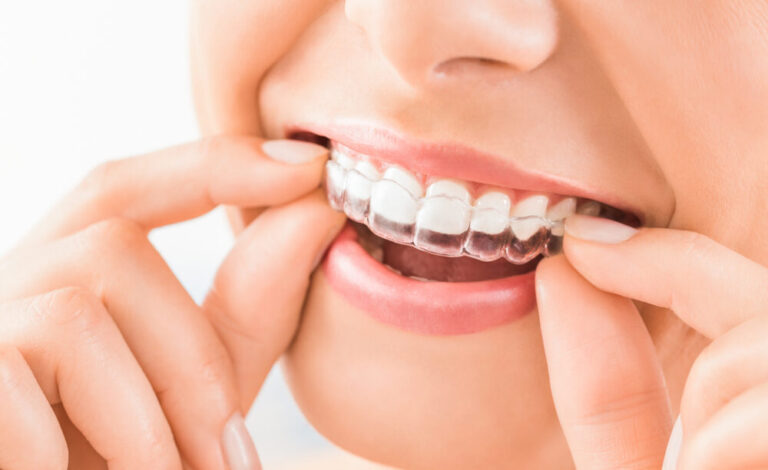
Invisalign uses a series of custom-made, removable clear aligners to gradually reposition teeth. The American Association of Orthodontists (AAO) explains that clear aligners apply gentle pressure to the teeth, with each aligner progressively moving them toward their planned positions.
The technology can work well for teenagers, but successful treatment depends on both the orthodontic problem being treated and the teen’s willingness to follow instructions.
What Age Can a Teen Start Invisalign?
There is not one universal minimum age for Invisalign treatment. Dental development is more important than a specific birthday. A dentist or orthodontic provider needs to evaluate which teeth have erupted, how the jaws are developing, and what type of bite or alignment problem needs correction.
Invisalign even offers treatment features specifically designed for growing teens. For example, Align Technology states that Invisalign treatment with mandibular advancement can be used for certain growing patients with Class II malocclusions who have permanent dentition or stable late mixed dentition.
That means parents should not assume their child is either too young or automatically ready based on age alone. An examination is the best way to determine appropriate timing.
What Dental Problems Can Invisalign Treat in Teenagers?
Clear aligners can address a variety of orthodontic problems, but suitability depends on the complexity of the individual case. Invisalign treatment is not limited to making slightly crooked front teeth look straighter.
Depending on the patient’s needs, clear aligners may be considered for issues such as:
- Crowded teeth
- Gaps or spaces between teeth
- Certain overbites and underbites
- Crossbites
- General tooth misalignment
- Some more complex bite concerns
Clear aligner technology has continued to expand beyond simple orthodontic cases. Invisalign, for example, has developed mandibular advancement features specifically for growing teens with certain Class II bite problems.
Still, Invisalign is not automatically the best treatment for every teenager. The type and severity of tooth movement required should be evaluated before treatment begins.
How Many Hours a Day Do Teens Need to Wear Invisalign?
Teens generally need to wear clear aligners about 20 to 22 hours each day, depending on their provider’s instructions. The American Association of Orthodontists states that aligners are typically worn at least 22 hours per day.
This is one of the most important considerations for parents.
Unlike braces, Invisalign aligners are removable. Teens take them out for eating, drinking beverages other than permitted liquids, and cleaning their teeth. They then need to remember to put the aligners back in.
Parents may want to consider whether their teen can reliably:
- Keep track of removable aligners
- Wear them for the prescribed number of hours
- Follow the schedule for changing aligners
- Clean the aligners as directed
- Attend scheduled dental appointments
- Store aligners safely while eating
Invisalign has also offered compliance indicators for teen aligners. These indicators can help providers monitor whether aligners are being worn consistently.
Consistent wear matters because aligners cannot move teeth as planned while they are sitting in a backpack, lunchbox, or bathroom.
Is Invisalign Better Than Braces for Teenagers?
Neither Invisalign nor traditional braces are universally better for every teen. The right choice depends on the teen’s orthodontic needs, lifestyle, and ability to follow treatment instructions.
Clear aligners offer several practical advantages. Because they are removable, teens can generally eat without the food restrictions associated with brackets and wires. Removing the trays also allows normal brushing and flossing, although teens must be diligent about cleaning their teeth before replacing the aligners.
Appearance can be another consideration. Clear aligners are designed to be less noticeable than conventional metal braces, which may appeal to teens concerned about school pictures, social events, performances, or everyday appearance.
Braces have an important advantage too: they stay attached to the teeth. A teenager cannot forget to wear them.
Research also suggests that clear aligners can produce effective results for appropriately selected adolescent patients. Invisalign cites an analysis involving more than 530,000 patients ages 11 to 19 that found teen Invisalign treatment produced results comparable with traditional braces. Because this research is cited by the manufacturer, families should still rely on an individual clinical evaluation rather than assuming the same outcome applies to every teen.
How Can Parents Help Teens Succeed With Invisalign?
The best thing parents can do is help establish simple habits that make consistent aligner wear easier. Teens should understand from the beginning that removable treatment still requires a significant daily commitment.
A few habits can help:
- Always use the aligner case. Putting aligners in napkins or on lunch trays makes them easier to accidentally lose or throw away.
- Build aligners into the daily routine. After meals and brushing, putting the aligners back in should become automatic.
- Keep teeth and aligners clean. Good oral hygiene remains essential throughout orthodontic treatment.
- Follow the prescribed aligner schedule. Teens should not move to the next tray early unless their provider instructs them to.
- Report lost or damaged aligners promptly. Parents should contact the dental provider rather than guessing whether the teen should skip ahead.
Invisalign advises patients who lose an aligner to contact their provider for instructions about whether to use the previous or next aligner. Quick communication can help prevent unnecessary interruptions in treatment.
Frequently Asked Questions About Invisalign for Teens
Can a 13-year-old get Invisalign?
Yes, some 13-year-olds may be candidates for Invisalign. Eligibility depends more on dental development, the orthodontic problem being treated, and the patient’s ability to follow the treatment plan than on age alone.
Can teens eat normally with Invisalign?
Yes. Because Invisalign aligners are removable, teens generally take them out for meals and can eat foods that may be restricted with traditional braces. They should clean their teeth as instructed before putting the aligners back in.
What happens if my teen does not wear Invisalign enough?
Insufficient wear can prevent teeth from moving according to the treatment plan and may delay progress. The American Association of Orthodontists says clear aligners are typically worn at least 22 hours per day, so consistent wear is an important part of successful treatment.
How long does Invisalign take for teenagers?
Treatment time varies based on the complexity of the case and how consistently the aligners are worn. Invisalign reports that many teenagers complete treatment in approximately 12 to 18 months, but an individual treatment plan may be shorter or longer.
Find Out Whether Invisalign Is Right for Your Teen
Invisalign can be an excellent option for many teenagers, but successful treatment starts with choosing the right patient and the right treatment plan. Parents should consider their teen’s dental development, bite and alignment needs, lifestyle, oral hygiene habits, and ability to consistently wear removable aligners.
A professional dental evaluation can provide a much clearer answer than age alone.
Wondering whether Invisalign could be right for your teen? Contact Independence Dental to schedule a consultation and explore your teen’s options for a healthier, straighter smile.