How Often Should You Go to the Dentist for a Checkup and Cleaning?
Most people should see a dentist for a checkup and cleaning about every six months, but the right schedule depends on your individual oral health. Some patients may only need one or two visits per year, while people with gum disease, frequent cavities, or other risk factors may benefit from more frequent dental appointments.
At Independence Dental, preventive care is centered on the individual rather than a one-size-fits-all schedule. Dr. Simran Bhalla has practiced dentistry since 2008 and provides personalized care for patients of all ages. The team focuses on catching problems early, helping patients maintain healthy teeth and gums, and making dental visits as comfortable and convenient as possible. Whether you are keeping up with routine care or returning to the dentist after a long absence, establishing the right checkup schedule can help protect your smile for years to come. Independence Dental combines preventive, family, restorative, cosmetic, and emergency dentistry so patients can receive comprehensive care in one practice.
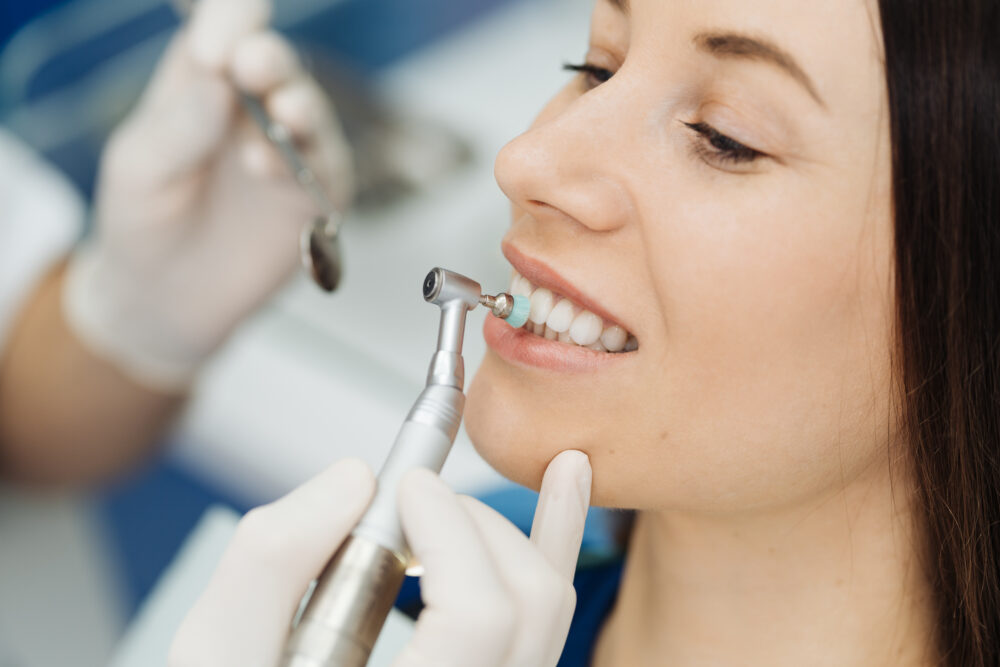
How Frequently Do You Need Routine Dental Checkups?
The best dental checkup schedule is based on your risk for tooth decay, gum disease, and other oral health problems. The American Dental Association (ADA) advises people to see their dentist regularly and notes that there is no single schedule that works for everyone. Some people need one or two visits per year, while others require more frequent appointments.
Is Going to the Dentist Every Six Months Necessary?
For many patients, visiting the dentist every six months is a practical preventive care schedule. Twice-yearly appointments give your dental team regular opportunities to examine your teeth and gums, provide professional cleaning, and look for developing problems.
The ADA’s MouthHealthy resources identify twice-yearly dental visits as a simple way to support a healthy smile. However, the ADA also emphasizes that dental care should be individualized. Research reviewed by the ADA supports tailoring recall intervals according to a patient’s assessed risk for oral disease.
Your dentist may recommend a different schedule based on factors such as:
- Your history of cavities
- Gum health and history of periodontal disease
- Current dental restorations
- Dry mouth
- Tobacco use
- Certain health conditions or medications
- Pregnancy-related oral health changes
- How effectively plaque is controlled at home
The important goal is not hitting an arbitrary six-month mark. It is seeing your dentist often enough to prevent problems or identify them while they are easier to manage.
Why Are Regular Dental Visits Important?
Routine dental visits help detect oral health problems before they become more advanced. According to the Centers for Disease Control and Prevention (CDC), routine dental visits provide opportunities for preventive care, oral health education, and early detection and treatment of conditions such as cavities, periodontal disease, and oral cancer.
A typical preventive appointment may include:
- A dental examination: Your dentist checks your teeth, gums, bite, existing restorations, and other oral structures.
- Professional cleaning: Plaque and hardened tartar are removed from areas that can be difficult to clean thoroughly at home.
- Periodontal evaluation: Your dental team looks for signs of gingivitis and gum disease.
- Diagnostic imaging when appropriate: Dental X-rays can reveal certain problems that may not be visible during a clinical examination.
- Personalized recommendations: Your dentist can suggest changes to brushing, flossing, diet, or your future appointment schedule based on your needs.
Regular care matters even when nothing hurts. Many oral health conditions can develop without significant pain during their earlier stages.
Who Should See a Dentist More Often?
Patients at increased risk for oral disease may need appointments more frequently than every six months. The exact interval should be determined with your dentist after reviewing your oral health and medical history.
For example, closer monitoring may be appropriate for someone who has active gum disease, repeatedly develops cavities, has significant dry mouth, or is undergoing certain dental treatments.
General health can also influence oral health. The CDC notes that people with chronic conditions such as diabetes or heart disease may face increased risks for poor oral health and missing teeth. Older adults can also experience challenges related to receding gums, reduced saliva production, chronic disease, or difficulty brushing and flossing effectively.
If your dentist recommends visits every three or four months, that does not necessarily mean something is seriously wrong. More frequent preventive care may simply be the most effective schedule for controlling your individual risks.
What If You Have Not Been to the Dentist in Years?
Schedule an appointment now rather than waiting for pain to develop. A long gap in dental care does not automatically mean you will need extensive treatment, but an examination is the only reliable way to understand your current oral health.
Your first appointment back gives the dentist an opportunity to identify cavities, gum inflammation, damaged restorations, or other concerns and develop a treatment plan based on what is actually needed.
National data show that regular dental care is far from universal. The CDC reported that approximately 63.9% of U.S. adults had visited a dentist or dental clinic within the previous year based on 2022 Behavioral Risk Factor Surveillance System estimates.
If it has been a while since your last visit, focus on getting back into a sustainable preventive routine rather than worrying about how much time has passed.
How Can You Protect Your Teeth Between Dental Visits?
Professional dental care works best when combined with consistent oral hygiene at home. The ADA recommends brushing twice daily with fluoride toothpaste and cleaning between your teeth every day.
Between appointments:
- Brush your teeth twice a day with fluoride toothpaste.
- Floss or use another interdental cleaner daily.
- Limit frequent sugary foods and drinks.
- Drink water and maintain a balanced diet.
- Avoid tobacco products.
- Pay attention to changes in your teeth, gums, or mouth.
- Keep the dental appointment schedule recommended specifically for you.
Do not wait for your next routine checkup if you develop tooth pain, swelling, persistent bleeding gums, a broken tooth, or another concerning symptom. Contact your dentist promptly to determine whether you need an earlier appointment.
Frequently Asked Questions About Dental Checkups
How many times a year should you go to the dentist?
Many people visit their dentist twice a year, but there is no universal number that is right for every patient. The ADA recommends regular dental visits with the frequency determined according to individual oral health needs.
Can I go to the dentist only once a year?
Some low-risk patients may be advised to have annual visits, but you should not decide to reduce your visits without discussing it with your dentist. Your cavity history, gum health, age, medical conditions, and other risk factors can affect the appropriate schedule.
Should I wait until my teeth hurt to see a dentist?
No. Routine visits are intended to detect and prevent problems before they cause significant symptoms. If you already have tooth pain, swelling, persistent gum bleeding, or a damaged tooth, schedule an appointment rather than waiting for your next routine checkup.
How often should children see a dentist?
A child’s dental visit schedule should be based on their individual oral health and cavity risk. Regular preventive visits allow the dentist to monitor developing teeth, identify decay early, and help families establish healthy oral hygiene habits.
Ready to Keep Your Smile Healthy? Schedule Your Next Visit
Regular dental checkups are one of the simplest ways to stay ahead of cavities, gum disease, and other oral health concerns. Independence Dental provides personalized preventive and family dental care designed around each patient’s individual needs.
Ready for your next dental checkup? Contact Independence Dental today to schedule your visit.