Dental Crowns and Bridges: What They Are, How They Work, and Whether You Need One
How Crowns and Bridges Restore a Damaged or Incomplete Smile Without Sacrificing Natural Appearance
A damaged or missing tooth has a way of affecting far more than how your smile looks. It changes how you chew, how you speak, how you feel in conversation, and over time, it can affect the alignment and health of the surrounding teeth as well. At Independence Dental, we take these concerns seriously. Our team brings both clinical expertise and a patient-centered approach to every restorative case, which means we take the time to understand your situation, explain your options clearly, and recommend only what is genuinely in your long-term interest. Dental crowns and bridges are among the most reliable, time-tested solutions in restorative dentistry, and with today’s materials and technology, they look and feel more natural than ever. Whether you are dealing with a tooth that has been cracked, severely decayed, or lost entirely, this guide will help you understand exactly what these treatments involve and what you can expect.
What Is a Dental Crown and When Is One Necessary?
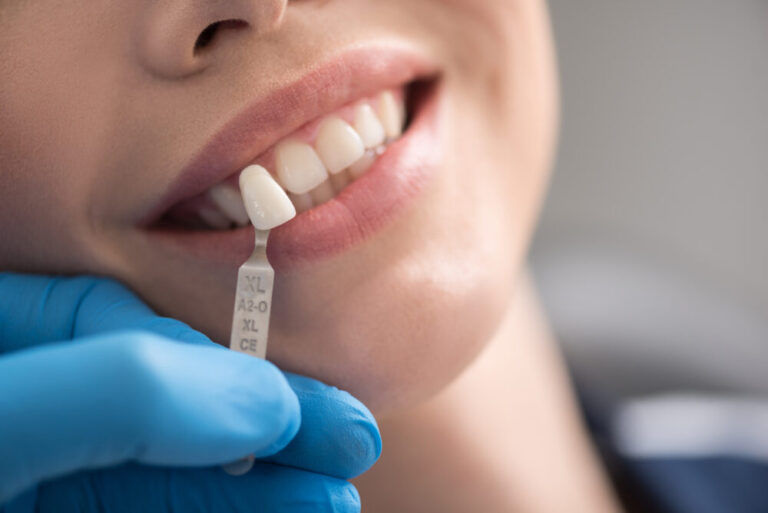
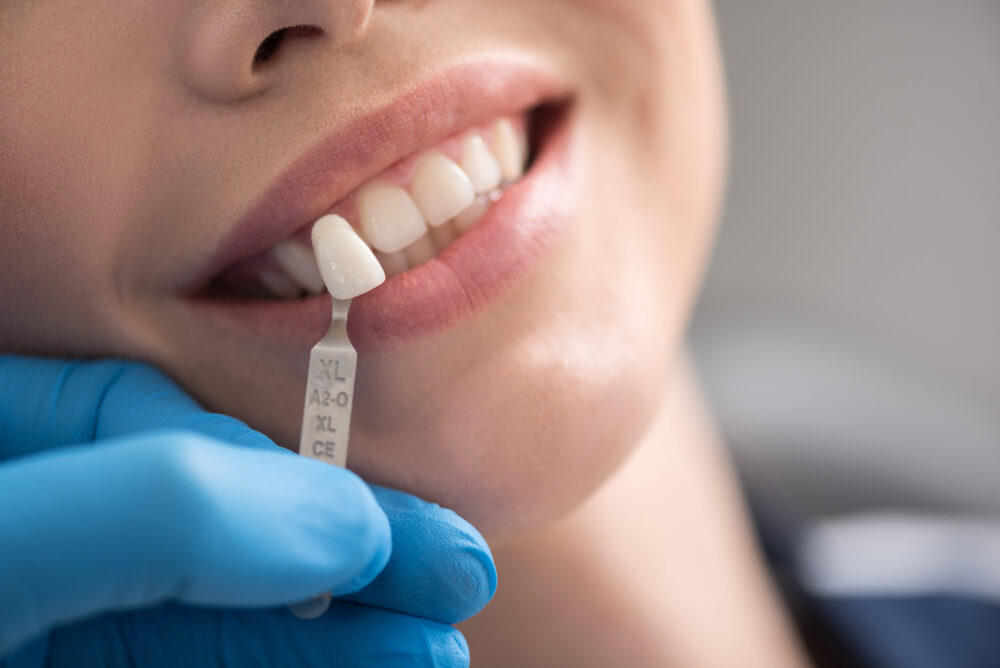
A dental crown is a custom-fabricated cap that fits over an existing tooth, restoring its shape, strength, and appearance. Think of it as a protective shell that holds a compromised tooth together while allowing it to function normally. Crowns are typically recommended after a root canal treatment, when a tooth has a crack or fracture that puts it at risk, when decay has progressed to the point where a filling is no longer sufficient, or when a tooth is so worn down that it cannot function properly on its own.
Modern crowns are most commonly made from all-ceramic or zirconia materials, both of which are designed to blend naturally with the surrounding teeth. These materials have become increasingly preferred over older metal-based options because they offer strong aesthetics alongside lasting durability. The global dental crowns and bridges market was valued at nearly $5 billion in 2024, a figure that reflects just how widely trusted and widely used these restorations have become.
What to Expect During Crown Placement
The process typically unfolds over two appointments. During the first visit, the tooth is prepared by removing a small amount of enamel to create space for the crown, and an impression or digital scan is taken so the restoration can be custom-fabricated. A temporary crown protects the tooth in the meantime. At the second visit, the permanent crown is fitted, adjusted for bite, and cemented into place. With proper care, including regular brushing, flossing, and dental check-ups, a crown can last between ten and fifteen years or longer.
What Is a Dental Bridge and How Does It Replace a Missing Tooth?
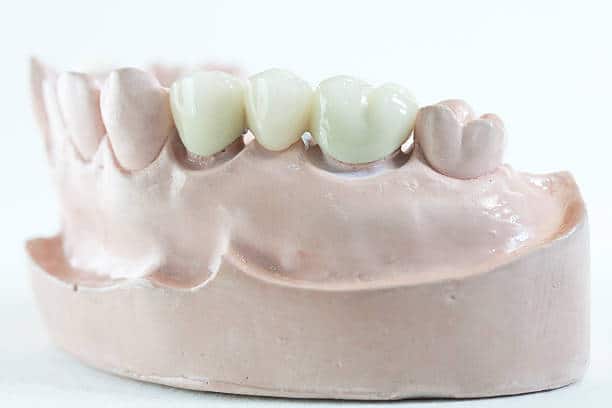
A dental bridge quite literally bridges the gap left by one or more missing teeth. It consists of one or more artificial teeth, called pontics, held in place by crowns that are anchored to the healthy teeth on either side of the gap. The result is a fixed, non-removable restoration that restores chewing function, prevents the neighboring teeth from shifting into the empty space, and maintains the natural contour of the jaw.
Tooth loss is more consequential than many people realize. When a gap is left unfilled, the surrounding teeth gradually drift toward the open space, which can alter your bite, create crowded or crooked areas that are harder to clean, and eventually lead to additional tooth loss. A bridge addresses all of these issues simultaneously while giving you back a complete, functional smile.
How to Choose Between a Crown, a Bridge, and Other Options
The right restoration depends on your specific clinical situation, and there is rarely a one-size-fits-all answer. A crown is the appropriate solution when the underlying tooth structure is still present and viable. A bridge is indicated when a tooth is already missing and implant placement is not the preferred or immediately available path forward. Dental implants, which can also support crowns and bridges, are increasingly common and worth discussing as part of a longer-term treatment plan.
What matters most is that you have a thorough conversation with your dentist about the condition of the affected tooth or teeth, your overall oral health, your lifestyle, and your goals. At Independence Dental, we walk every patient through this process carefully and without pressure, so you can make a fully informed decision.
Caring for Your Crown or Bridge Long-Term
Once your restoration is in place, maintaining it is straightforward. Brush twice daily and floss around the crown or use a floss threader to clean beneath the bridge. Avoid using your teeth as tools, biting hard objects like ice or pen caps, or grinding without a protective nightguard. Keep up with your regular professional cleanings, because the gum tissue and underlying structure around a crown or bridge still require consistent care. Patients who follow these habits routinely get a decade or more of excellent function from their restorations.
Ready to Restore Your Smile? Contact Independence Dental to Schedule Your Consultation.
If you have a damaged, weakened, or missing tooth, do not wait for the problem to compound. A well-placed crown or bridge can give you back full function, a natural appearance, and the confidence to smile without hesitation. Contact Independence Dental today to schedule your appointment and find out which restorative option is the right fit for you.