Common Reasons You Might Need Restorative Dentistry: Decay, Injury, and the Wear of Everyday Life
How Dental Decay, Tooth Damage, and Long-Term Wear Lead to Restorative Treatment and What You Can Do About It
At Independence Dental, we understand that most people do not think about restorative dentistry until something goes wrong. A twinge of sensitivity, a chip noticed in the mirror, a crown that suddenly does not feel quite right. These moments can feel alarming, but they are also more common than you might think, and they are exactly what our team is here to help with. We bring a patient-first approach to every visit, combining clinical expertise with a genuine commitment to making dental care feel approachable rather than intimidating. Our goal is simple: restore your teeth, protect your oral health, and give you the confidence that comes with a smile that functions the way it should. Whether you are dealing with a recent injury, years of gradual wear, or decay that has been quietly progressing, this post will help you understand what is happening and why addressing it sooner rather than later is always the right move.

What Is Restorative Dentistry and Who Needs It?
Restorative dentistry is the branch of dental care focused on repairing, rebuilding, or replacing teeth that have been damaged, decayed, or lost. It encompasses a wide range of treatments, from fillings and crowns to dental bridges, implants, and full mouth reconstruction. The common thread is function: the goal is always to restore your ability to bite, chew, speak, and smile comfortably and confidently.
The need for restorative treatment is far more widespread than most people realize. More than 90 percent of adults have experienced at least one cavity in their lifetime, according to national dental health data. The global restorative dentistry market was valued at over $22 billion in 2024, reflecting just how many people around the world require treatment for compromised teeth. The encouraging reality is that modern restorative dentistry is more precise, more comfortable, and more natural-looking than ever before.
Tooth Decay: The Most Common Culprit
Tooth decay remains the most common chronic disease in the United States and the leading driver of restorative dental treatment. It begins when bacteria in the mouth produce acids that gradually erode tooth enamel. Left untreated, a small cavity progresses through the dentin layer and eventually reaches the pulp of the tooth, at which point a simple filling is no longer enough.
According to the CDC, roughly 25 percent of adults have untreated cavities at any given time, meaning millions of people are walking around with decay that is actively progressing. What makes this particularly important is that early-stage decay is almost entirely painless. By the time a tooth hurts, the situation has usually advanced significantly.
The most effective response to decay is early detection. That is one of the primary reasons regular preventive visits matter so much. When decay is caught at its earliest stage, treatment is straightforward, conservative, and lasting. When it is allowed to progress, the treatment required becomes more extensive and the long-term impact on the tooth is greater.
What Untreated Decay Eventually Requires
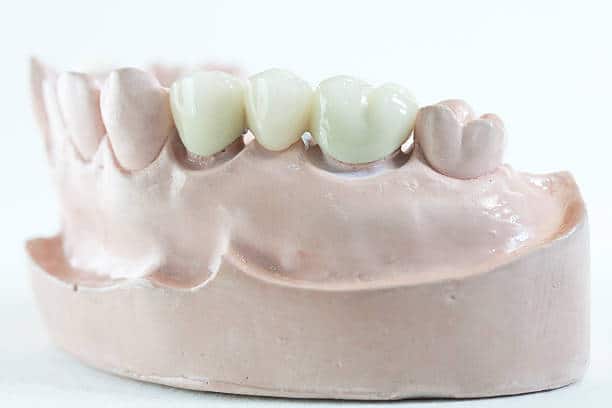
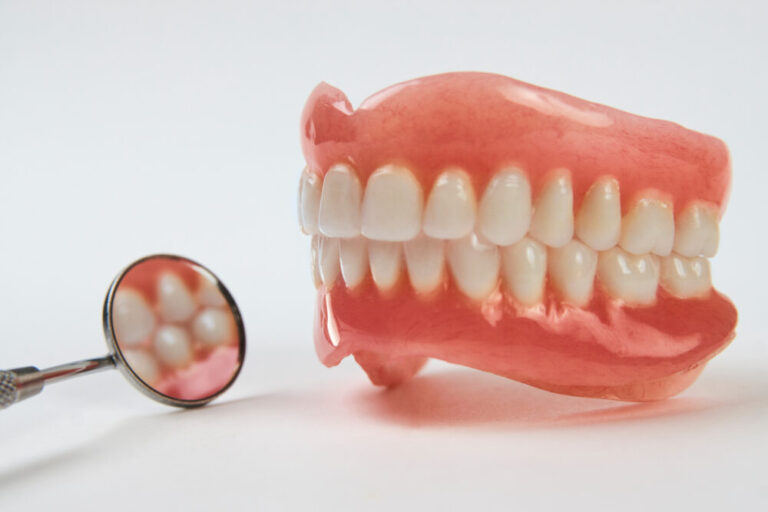
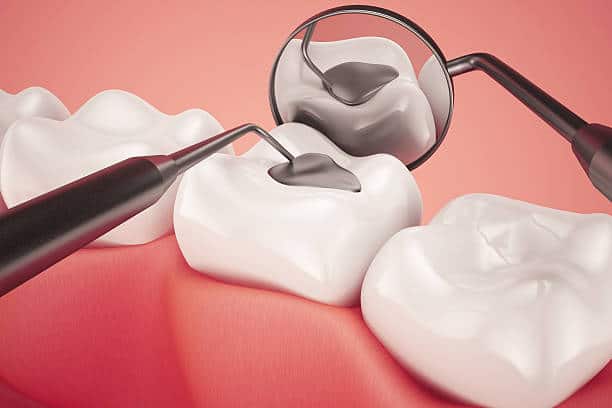
A small cavity requires a filling. A cavity that has reached the deeper layers of the tooth typically requires a crown to protect what remains of the tooth structure. Decay that has infected the pulp requires root canal treatment followed by a crown. In the most advanced cases, extraction and tooth replacement with an implant or bridge become necessary. The trajectory from small problem to large one is predictable, which is exactly why intervening early is always the right financial and clinical decision.
Dental Injuries: Accidents Happen
Chipped, cracked, and broken teeth are among the most common reasons patients seek restorative care outside of their regular check-up schedule. Sports injuries, falls, biting down on something unexpectedly hard, and car accidents are all frequent causes. Even habits like grinding your teeth at night or using your teeth as tools can create cracks that worsen over time.
What many patients do not realize is that a tooth does not need to be visibly broken to be structurally compromised. Cracked tooth syndrome, in which a tooth has developed an internal crack not easily visible on X-ray, can cause sharp, unpredictable pain when biting and requires prompt attention to prevent the crack from propagating further.
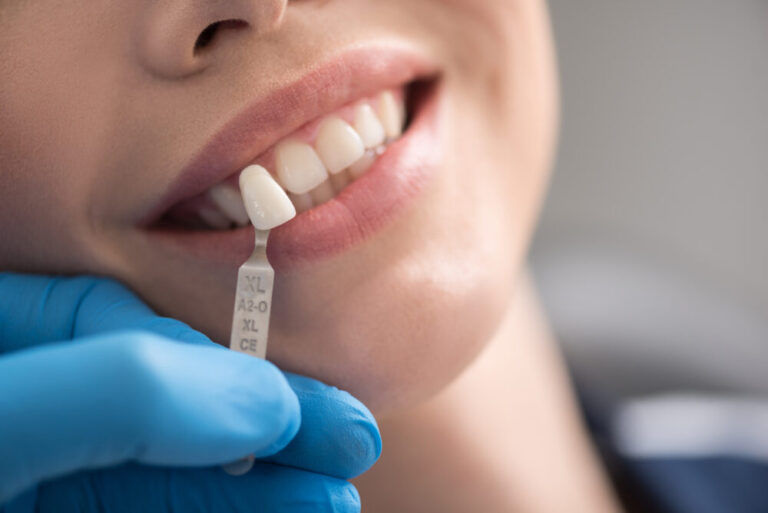
Treatment for a dental injury depends on its severity. A minor chip may be addressed with bonding or a veneer. A more significant fracture typically requires a crown. A crack that has reached the root or pulp may require more involved treatment. The key in every case is the same: the sooner a damaged tooth is evaluated, the more treatment options remain available.
Wear and Tear: The Slow and Steady Damage
Dental wear is one of the most underappreciated causes of restorative need because it develops gradually over years and decades. Unlike decay or injury, it rarely announces itself with pain or a sudden visible change. Instead, teeth slowly flatten, shorten, become translucent at the edges, and lose the structural integrity they once had.
The primary causes of excessive wear include bruxism, the involuntary grinding or clenching of teeth, often during sleep; acid erosion from frequent consumption of acidic foods and beverages; and simply the cumulative effect of decades of use. Patients who have been grinding their teeth for years often come in believing their teeth have always looked that way, unaware of how much structure they have actually lost.
Restorative treatment for wear typically involves protecting remaining tooth structure with crowns, rebuilding lost structure with bonding or veneers, and addressing the underlying cause, most often with a custom nightguard, to prevent further damage. Treating the symptom without addressing the cause produces results that do not last.
Ready to Restore Your Smile? Schedule Your Visit with Independence Dental Today.
Whether you are dealing with decay, a dental injury, or the gradual wear that comes with life, Independence Dental is ready to help you understand your options and restore your oral health with care and expertise. Do not wait for a small problem to become a larger one. Contact our office today to schedule your consultation and take the first step toward a healthier, more confident smile.